

Peptide Testing Guides Knowledge Center
How peptides are tested, what each result means and where its limits are. Short reads by the people who run our lab.
BROWSE BY CATEGORY
Results & reporting
Reading a report: what each number means and what it leaves out.
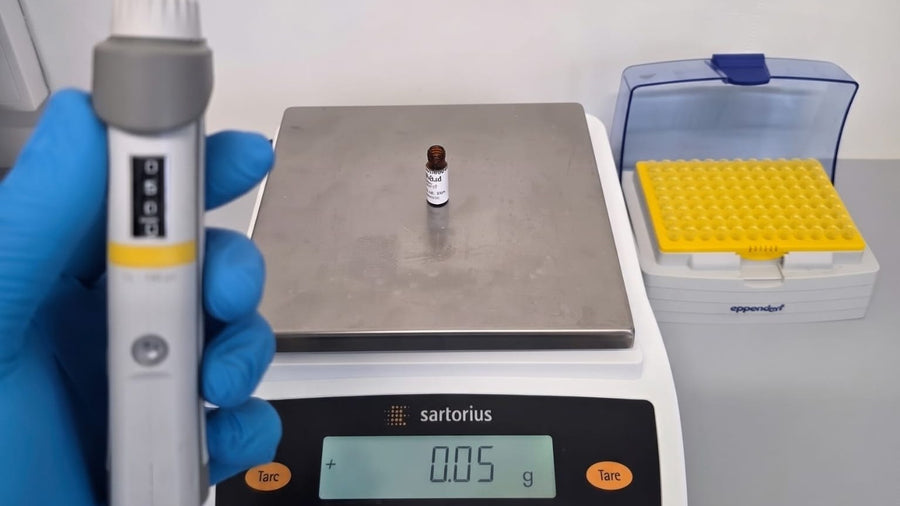
Why Your 10 mg Vial Doesn't Contain 10 mg of Peptide
The label says 10 mg, the vial holds a white powder. Part of that powder is not peptide at all, and that is normal.
3 MIN READ
How to Read a Peptide Certificate of Analysis
Most people look for one number on a COA. Here is what else is on ours, and what each part tells you.
2 MIN READ
Purity, Identity and Content Are Not the Same Thing
A vial can be 99 % pure and still be the wrong compound, or half empty. Three questions, three measurements.
2 MIN READAnalytical methods
How HPLC and mass spectrometry work, and what each one can’t tell you.
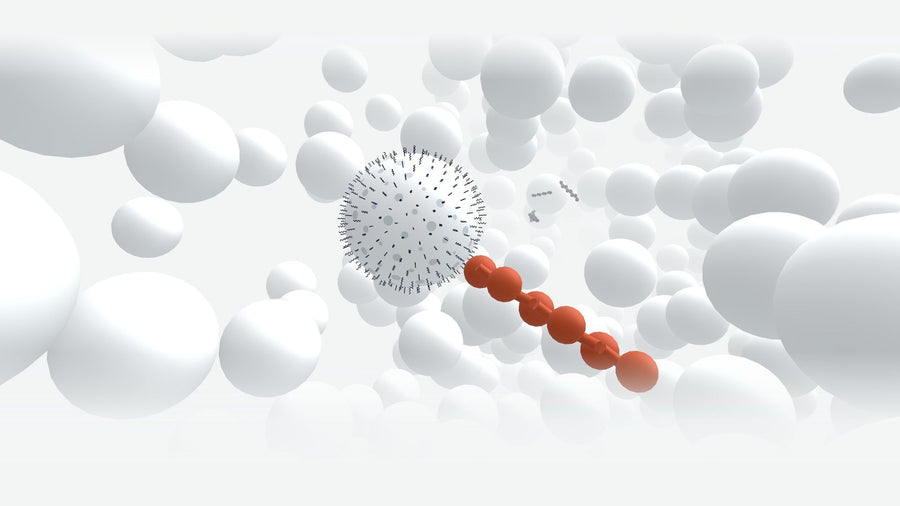
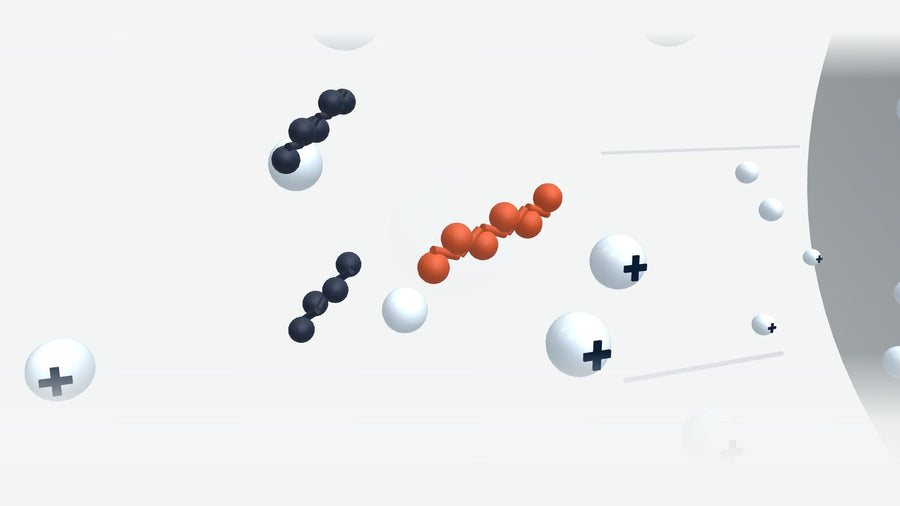
Inside the Mass Spectrometer: From Droplet to Mass
A spray, a vacuum and four metal rods. How we weigh a molecule that is far too small for any balance.
3 MIN READ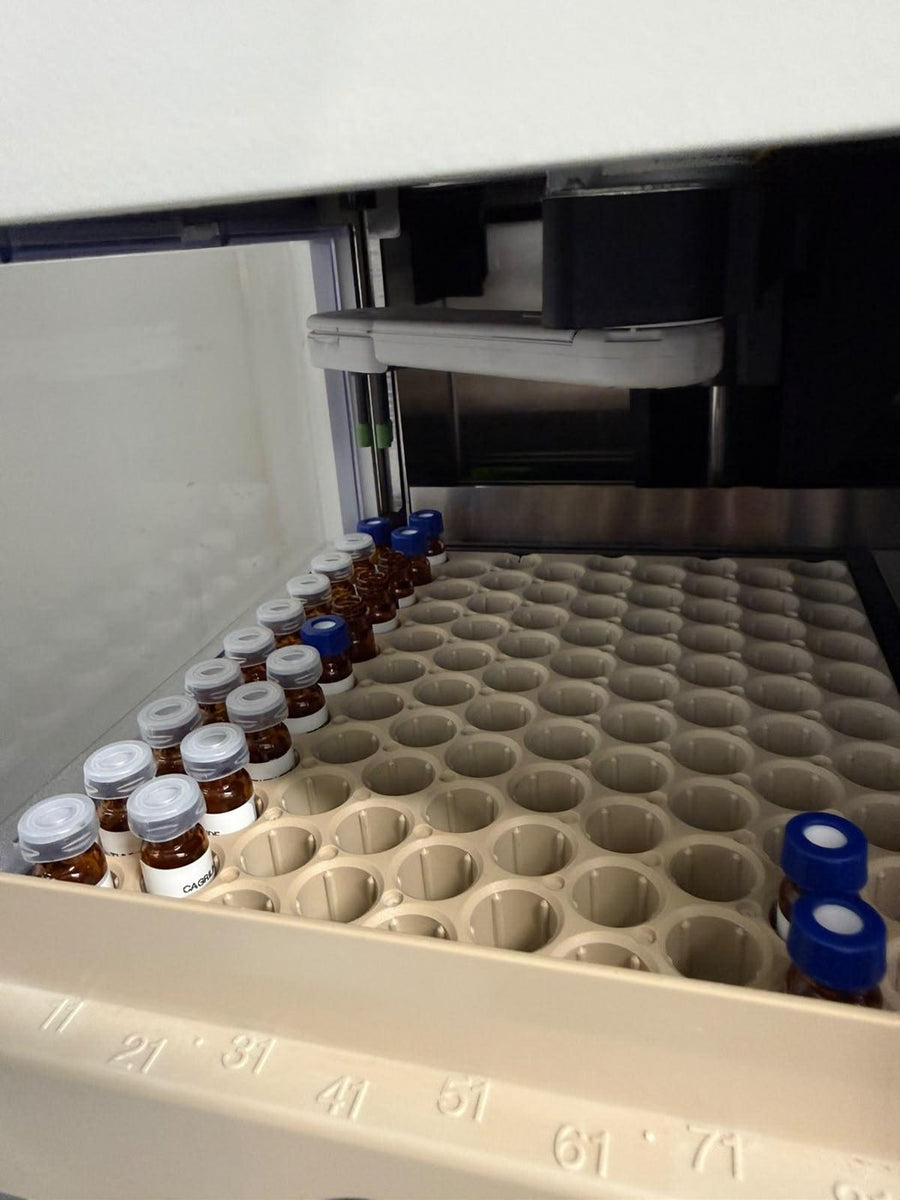
How an HPLC Separates a Peptide
Two liquids, a column full of tiny beads and about half an hour. How one injection becomes the chromatogram behind a purity result.
4 MIN READ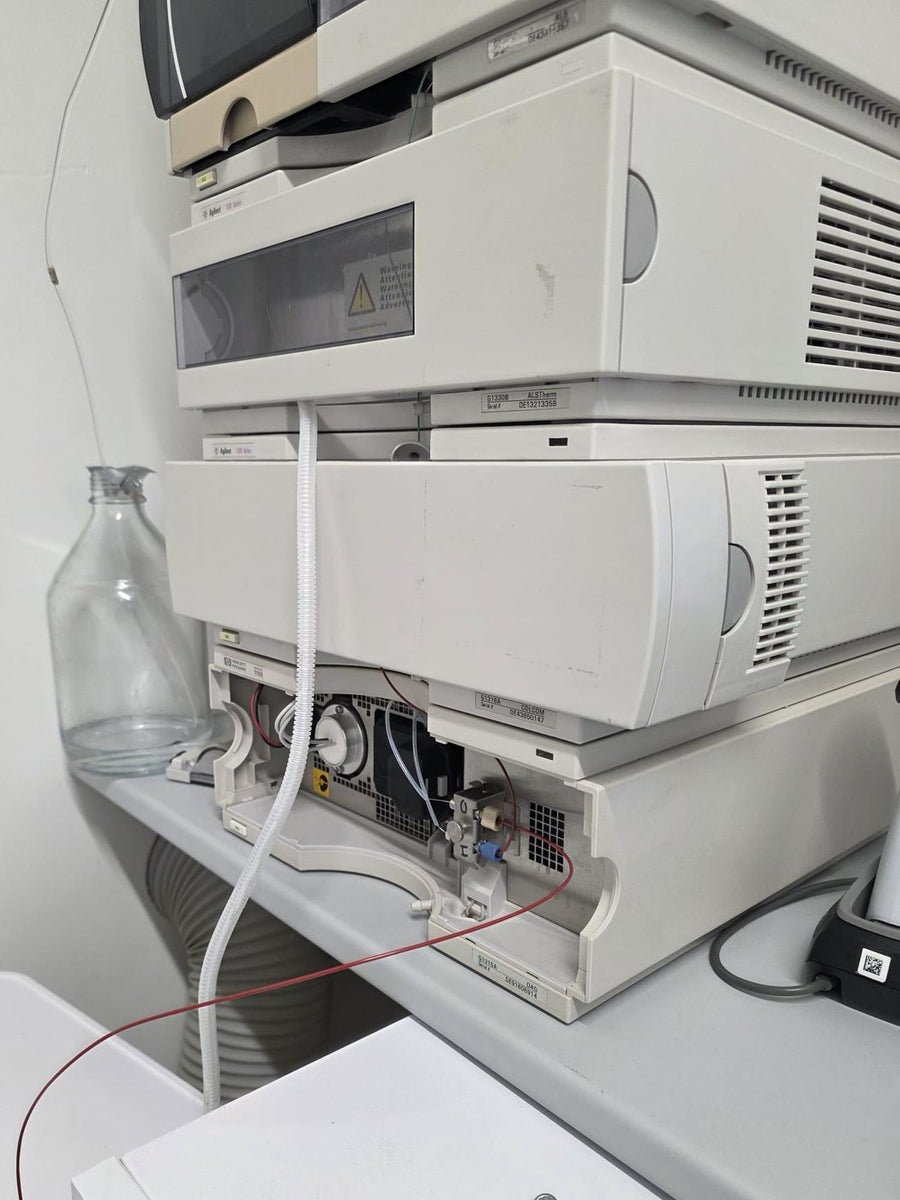
Why the Analytical Method Matters
"Lab tested, 99 % pure" can mean very little. The method decides which questions a test actually answers.
2 MIN READ
Why HPLC Alone Cannot Confirm Compound Identity
One clean peak tells you the sample is clean, not what the peak is. For that you need the mass.
2 MIN READ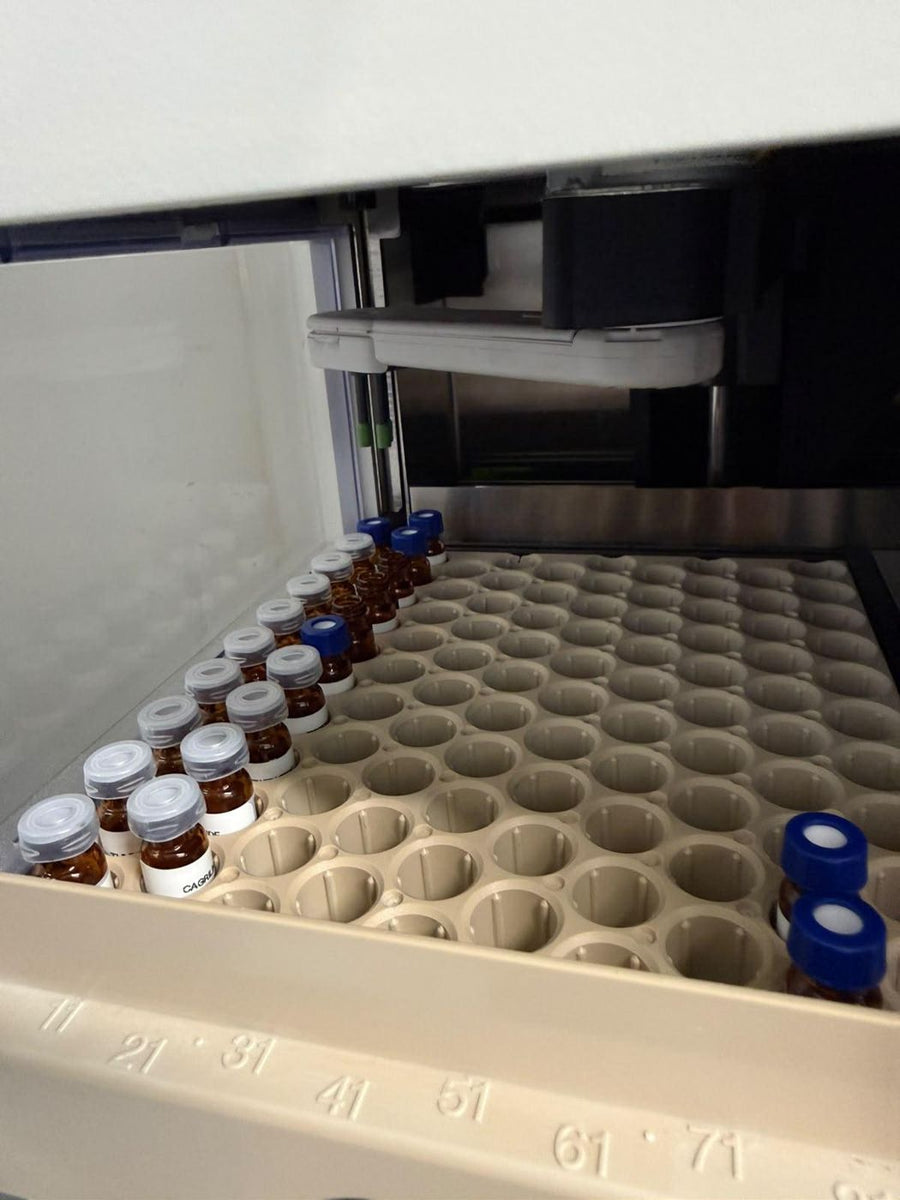
What Does HPLC Purity Actually Tell You?
A purity of 99 % sounds like the whole story. It is one answer to one question: how much of the UV signal comes from the main compound.
2 MIN READSample & quality
What can change a result before your vial reaches the column.
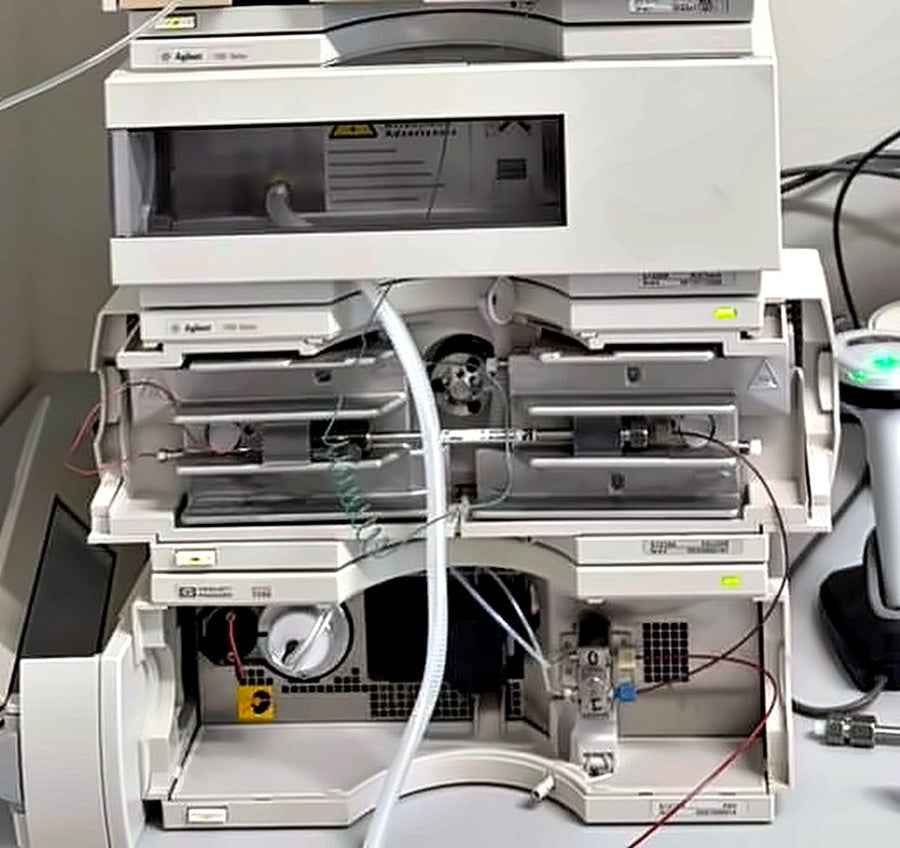
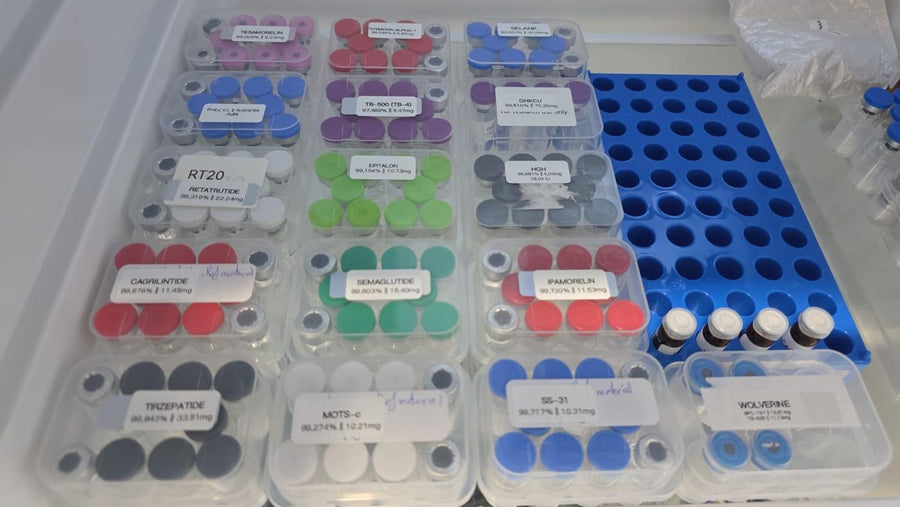
Inside the lab
Our instruments and how we work, in photos and short videos.
Lab terms
The words you will see on a report, in one or two sentences each.
- High-performance liquid chromatography. It separates the compounds in a sample, and each one shows up as a peak.
- The graph an HPLC run produces: detector signal over time. Each peak is a compound.
- When a compound comes off the column. With the same method, the same compound comes off at the same time.
- The share of the UV signal that belongs to the main peak. It is not the amount of peptide in the vial.
- Liquid chromatography with a mass spectrometer as detector. It measures the mass of what comes off the column.
- Whether the main peak is the compound on the label. Confirmed only when retention time and mass both match the reference standard.
- How much peptide is in the vial, in mg, measured against a reference standard.
- The smallest impurity listed separately on a report: 0.10 % of the UV signal.
Test your own sample
Purity from $129. Identity and content by LC–MS from $179.