

All articles
Every article from our lab, newest first.
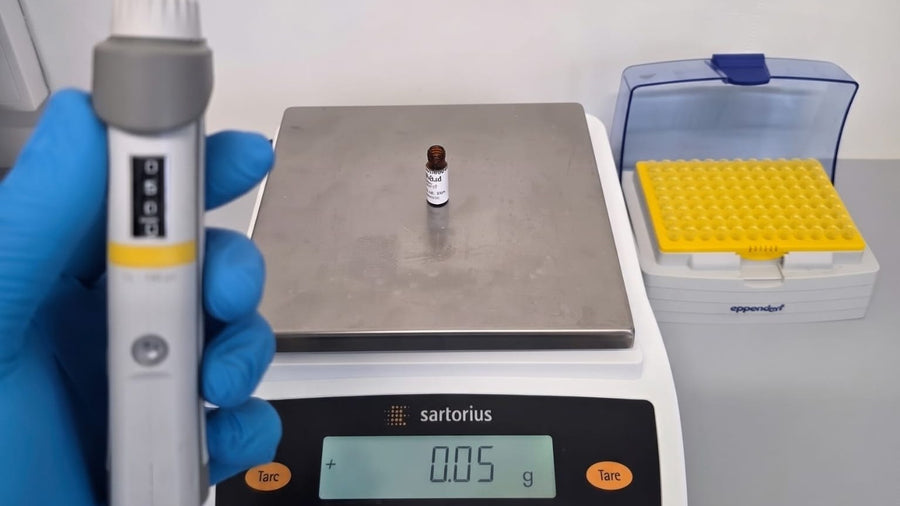
Why Your 10 mg Vial Doesn't Contain 10 mg of Peptide
The label says 10 mg, the vial holds a white powder. Part of that powder is not peptide at all, and that is normal.
3 MIN READInside the Mass Spectrometer: From Droplet to Mass
A spray, a vacuum and four metal rods. How we weigh a molecule that is far too small for any balance.
3 MIN READ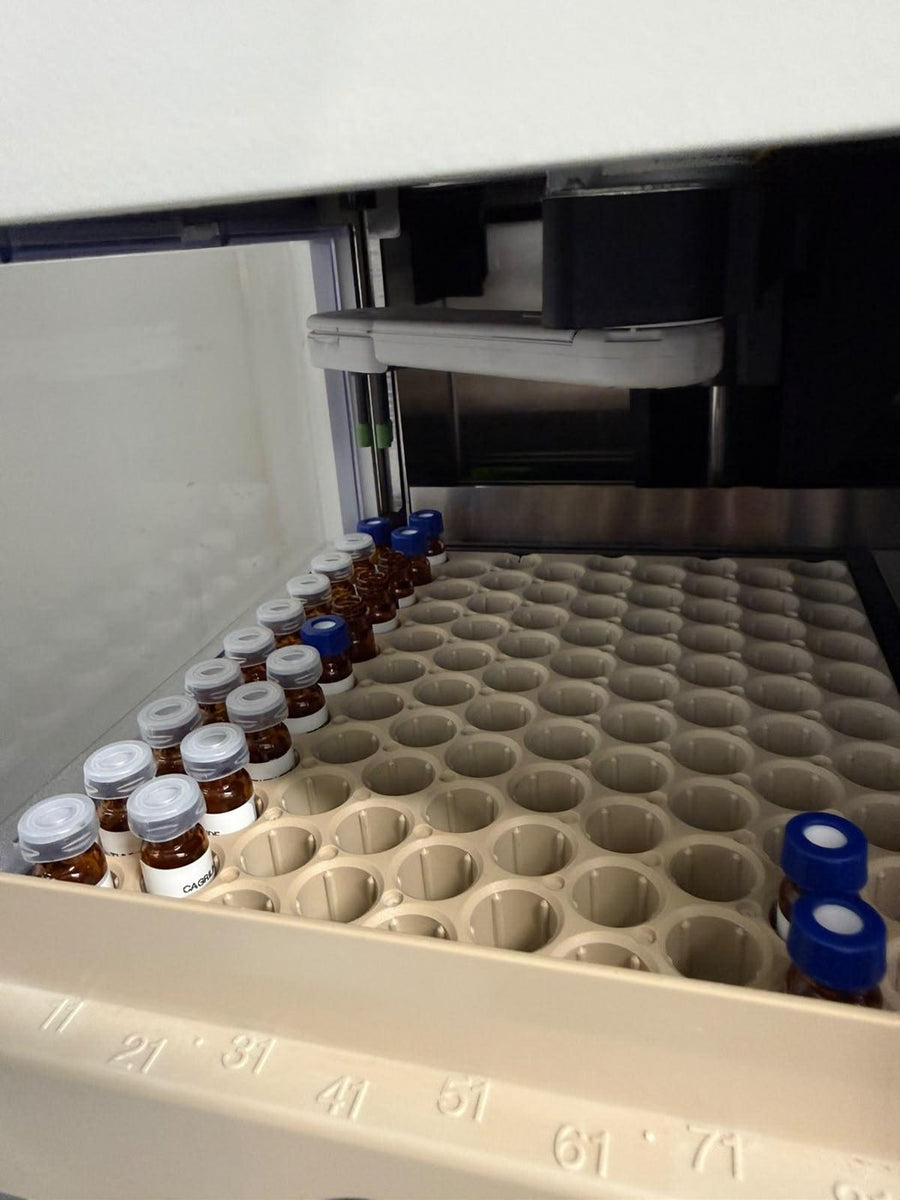
How an HPLC Separates a Peptide
Two liquids, a column full of tiny beads and about half an hour. How one injection becomes the chromatogram behind a purity result.
4 MIN READ
Where your sample is separated: our HPLC
A purity number starts at this instrument. A short tour of our HPLC, from the autosampler to the detector.
2 MIN READ
What happens when your vial arrives
Your vial gets a code before anything else happens to it. What we do between your package and your report.
1 MIN READ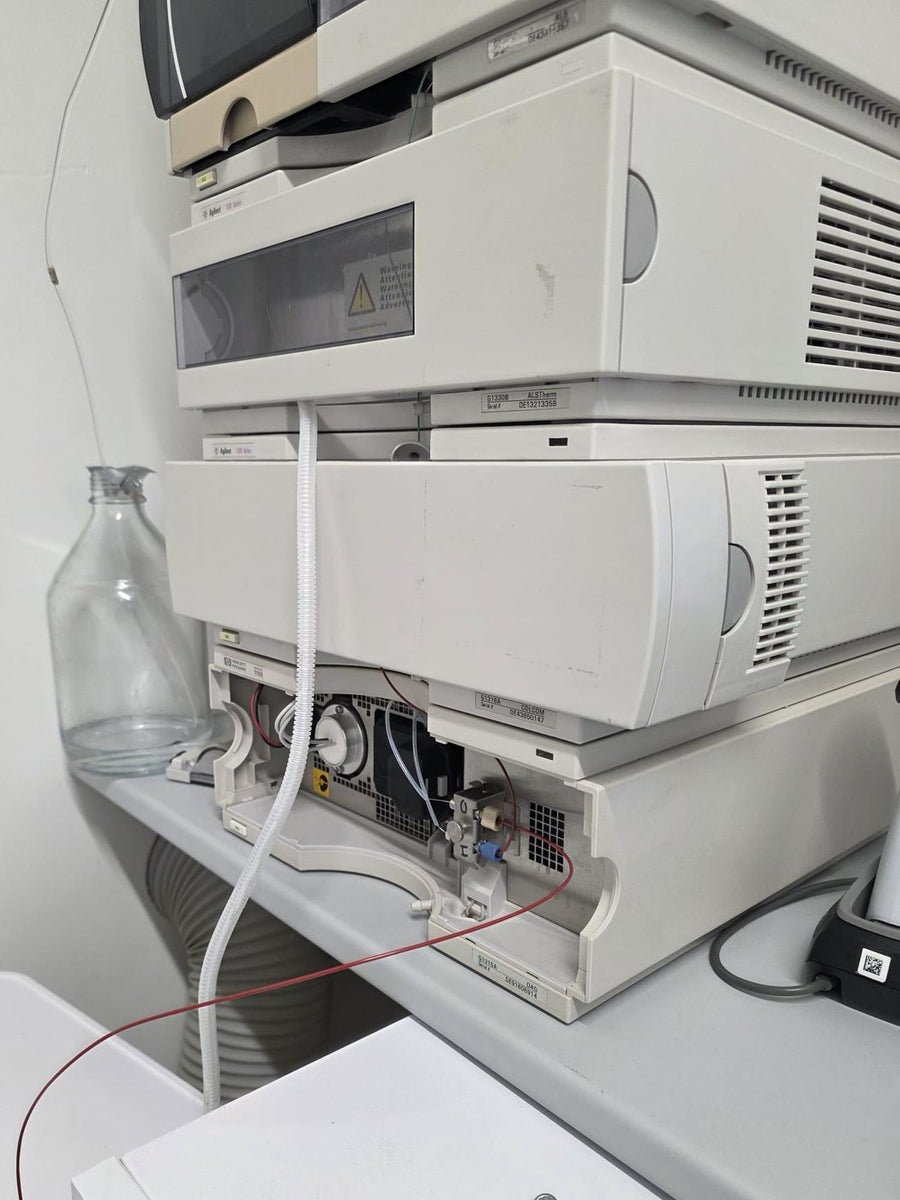
Why the Analytical Method Matters
"Lab tested, 99 % pure" can mean very little. The method decides which questions a test actually answers.
2 MIN READ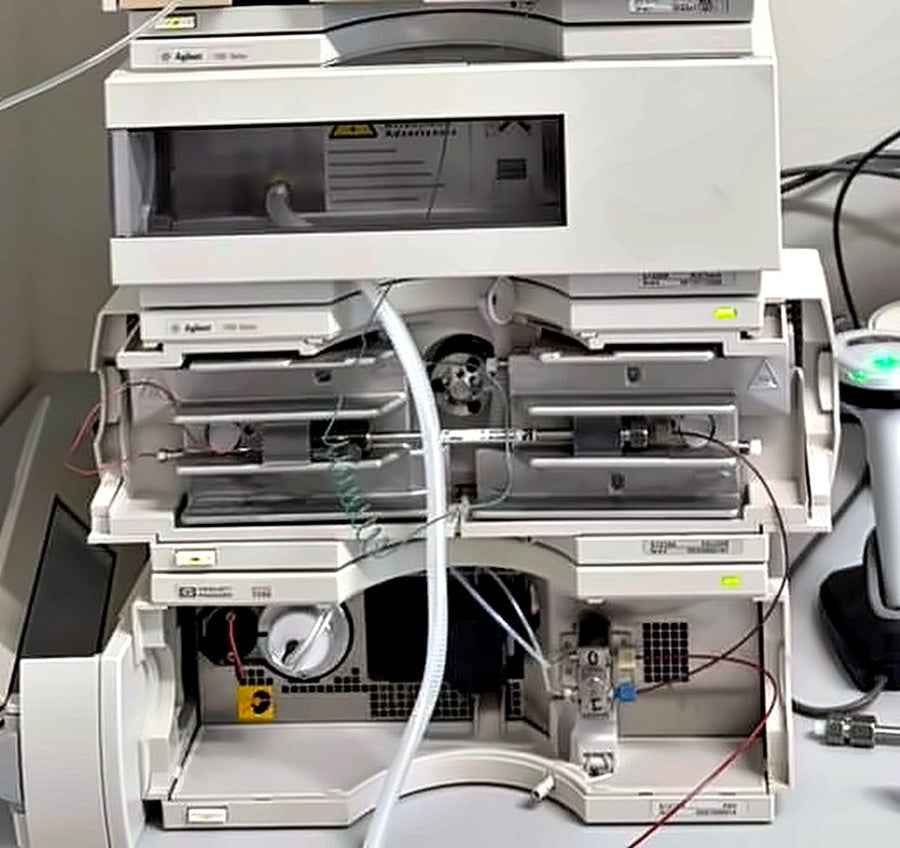
What Can Influence Peptide Purity Results?
Two labs, two numbers, both honest. The method, the column and the vial's history all leave a trace in the result.
2 MIN READ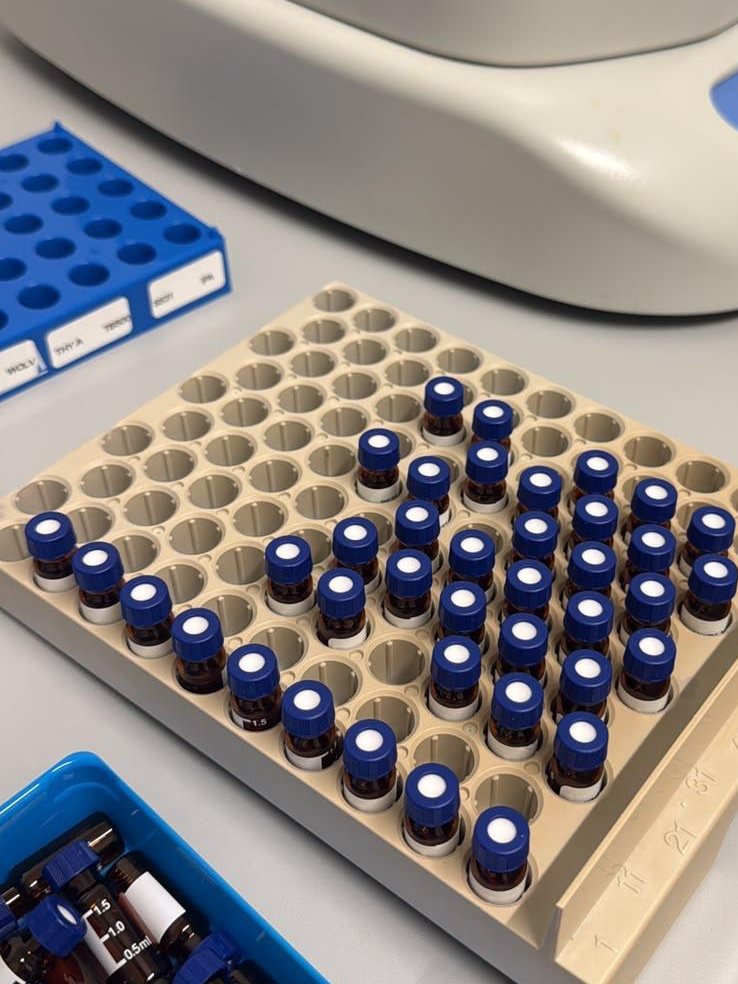
How to Read a Peptide Certificate of Analysis
Most people look for one number on a COA. Here is what else is on ours, and what each part tells you.
2 MIN READ
Why HPLC Alone Cannot Confirm Compound Identity
One clean peak tells you the sample is clean, not what the peak is. For that you need the mass.
2 MIN READ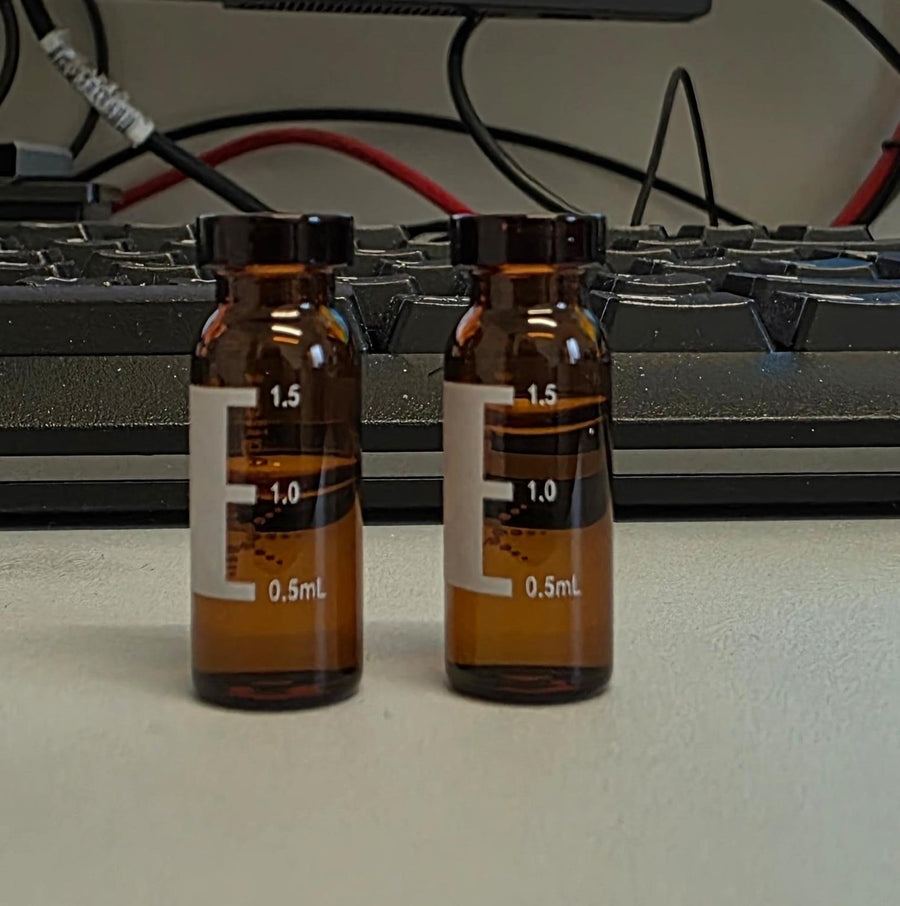
Purity, Identity and Content Are Not the Same Thing
A vial can be 99 % pure and still be the wrong compound, or half empty. Three questions, three measurements.
2 MIN READ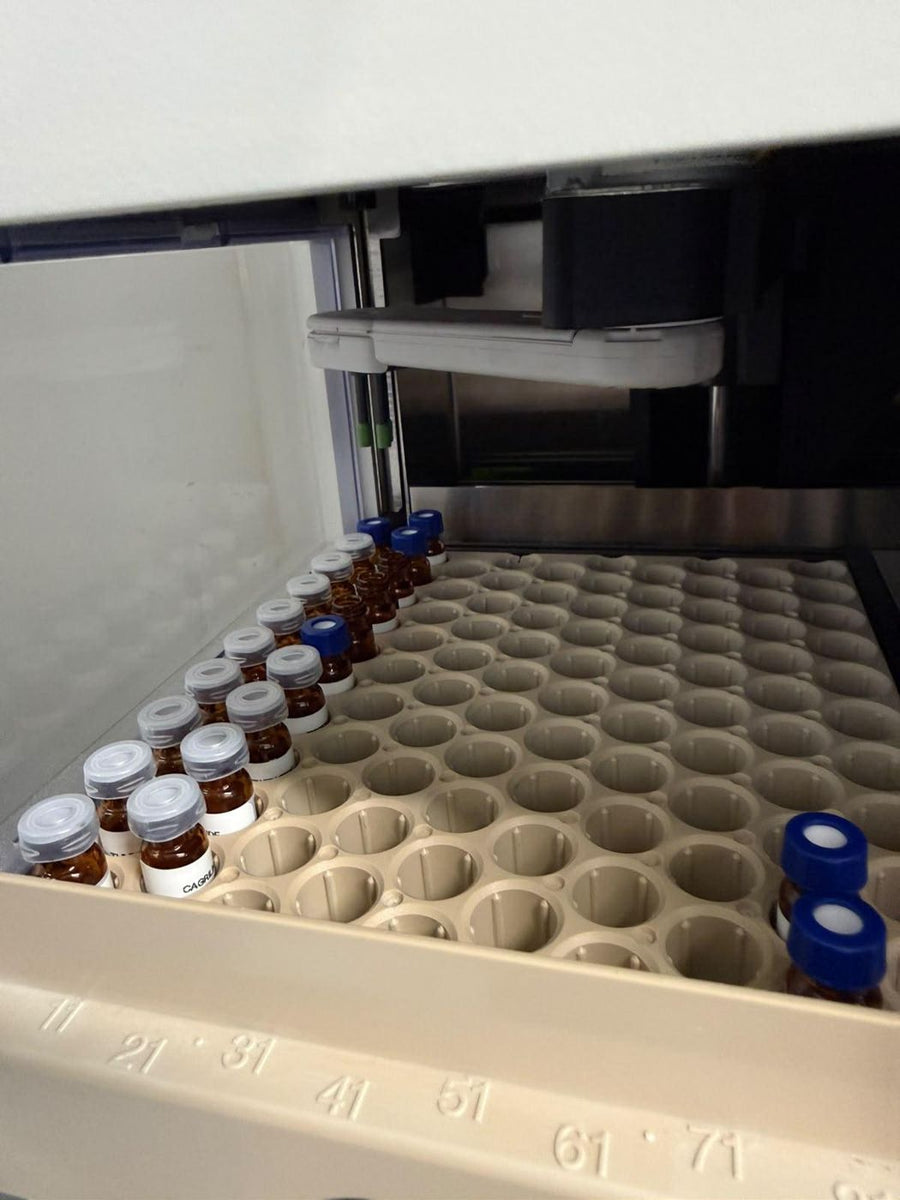
What Does HPLC Purity Actually Tell You?
A purity of 99 % sounds like the whole story. It is one answer to one question: how much of the UV signal comes from the main compound.
2 MIN READ